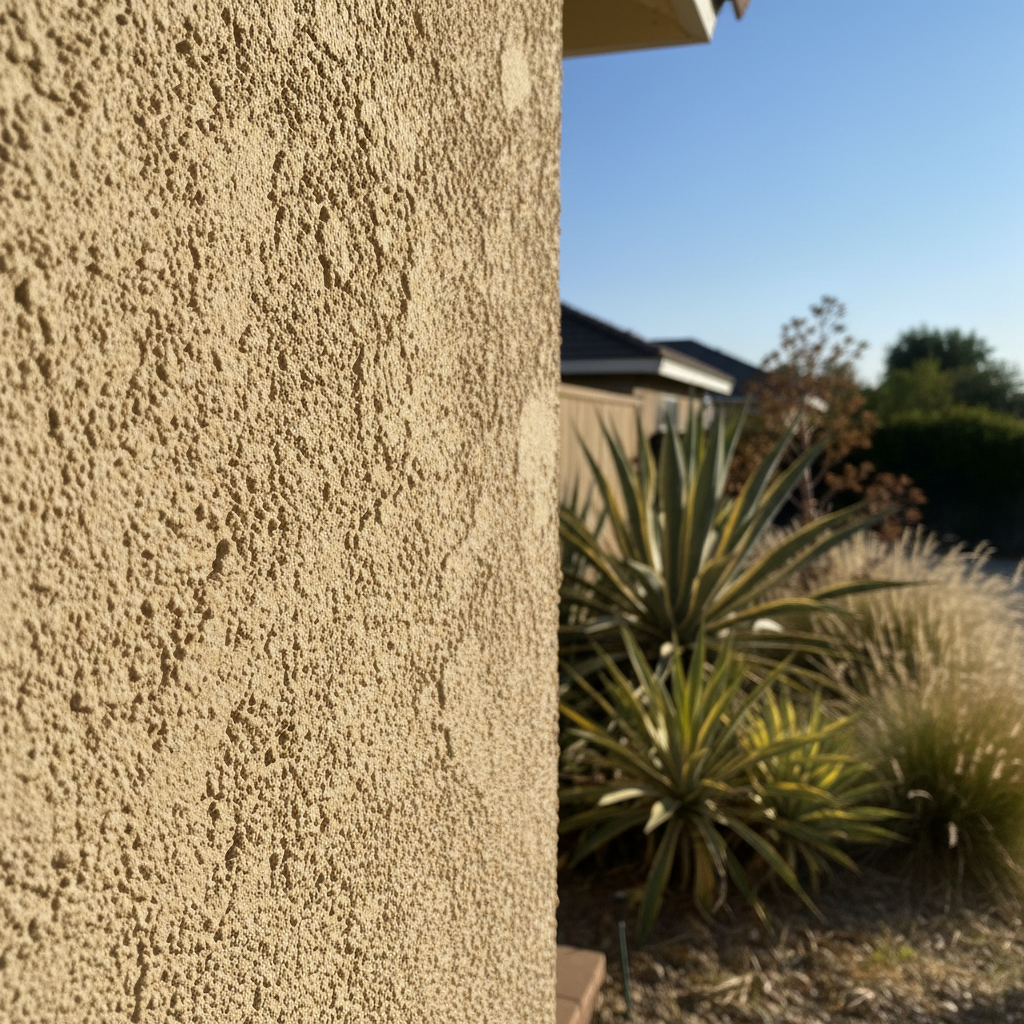
So, you're looking at your stucco and thinking it's time for a fresh coat of paint. I get it. A good paint job can really transform a house, protect the stucco, and boost curb appeal. But before you grab a brush, let's talk about what's involved. This isn't like painting an interior wall; stucco has its own quirks, especially here in Ontario with our dry, hot summers and occasional Santa Ana winds.
Before You Even Think About Paint
First thing's first: inspect your stucco. You can't just paint over problems and expect them to go away. In fact, painting over damaged stucco can trap moisture and make things worse. Look for cracks, crumbling spots, or areas where the stucco might be separating from the wall. Even small hairline cracks need attention. If you find significant damage – anything wider than a credit card – or large sections that sound hollow when you tap them, stop right there. That's a repair job, not a paint job, and it's usually best left to a professional stucco contractor like us at Ontario Stucco & Plastering. We've seen plenty of homes in the College Park area where minor issues turned into major headaches because someone tried to paint over them.
Next, cleaning. This is a DIY job you absolutely need to do well. You'll want to power wash the entire surface. Be careful with the pressure; too high and you can damage the stucco. A medium setting, around 1500-2000 PSI, is usually good. Use a good quality stucco cleaner or a mild detergent to get rid of dirt, grime, mildew, and any chalky residue from old paint. Let it dry completely – and I mean completely – for at least 48-72 hours, depending on our local humidity. Painting damp stucco is a recipe for peeling paint down the road.
Choosing Your Paint and Tools
This is crucial. You can't just use any old exterior paint on stucco. You need a high-quality, breathable elastomeric paint or an acrylic-based masonry paint. Elastomeric paints are fantastic because they're flexible; they can stretch and bridge small hairline cracks, offering excellent waterproofing. They're thicker and cost a bit more, but they're worth it for the longevity and protection they provide. Don't skimp here. A cheap paint won't last and you'll be doing this again sooner than you want.
For tools, you'll need good quality rollers with a thick nap (1-1.5 inches) to get into the stucco's texture, brushes for trim and cutting in, painter's tape, drop cloths, and a sturdy ladder. If your house is two stories or more, or has really high peaks, that's another point where you might consider a pro. Safety first, always.
The Painting Process: What You Can Tackle
Once your stucco is clean, dry, and repaired (if needed), you're ready to paint. Here's what you can realistically do yourself:
- Masking and Taping: Protect windows, doors, light fixtures, and anything else you don't want painted. Take your time with this; clean lines make a huge difference.
- Priming: If your stucco is unpainted, severely weathered, or you're making a drastic color change, a good masonry primer is essential. It helps the topcoat adhere better and gives a more uniform finish.
- Applying the Paint: Start from the top and work your way down. This helps prevent drips from staining already painted areas. Use steady, even strokes. Don't try to stretch the paint too thin; apply it generously enough to cover the texture. Two coats are almost always necessary for good coverage and durability, especially with elastomeric paints.
Now, when I say 'you can tackle,' I mean if you're comfortable on a ladder, have the time, and are meticulous. Painting stucco is a big job, often taking several days, even for a smaller home. It's physically demanding, and the results depend entirely on your prep and application.
When to Call a Pro (Like Us)
There are definitely times when calling in a professional stucco painting company is the smarter move. Here's when I'd recommend it:
- Extensive Stucco Damage: As I mentioned, if you've got serious cracks, crumbling, or water intrusion, you need a repair specialist before any paint goes on.
- Multi-Story Homes or Steep Pitches: Safety is paramount. If you're not comfortable on tall ladders or working on uneven terrain, don't risk it.
- Time Constraints: Don't underestimate the time commitment. If you don't have several full days to dedicate to proper prep, painting, and cleanup, you'll end up with a rushed, subpar job.
- Desire for a Flawless Finish: Pros have the right equipment (like sprayers for a perfectly even coat), experience, and techniques to achieve a smooth, uniform finish that's hard to replicate with rollers and brushes alone.
- Warranty and Expertise: A professional company will stand behind their work. We know the best products for our Ontario climate and how to apply them for maximum longevity.
After the Paint Dries
Once your beautiful new paint job is done and dry, carefully remove all your tape and drop cloths. Don't wait too long, or the tape can become difficult to remove cleanly. Keep an eye on the weather for a few days after painting; you want to avoid heavy rain if possible while the paint cures. And that's it! Enjoy your refreshed home. A well-painted stucco exterior, done right, will protect your house and look great for years to come.