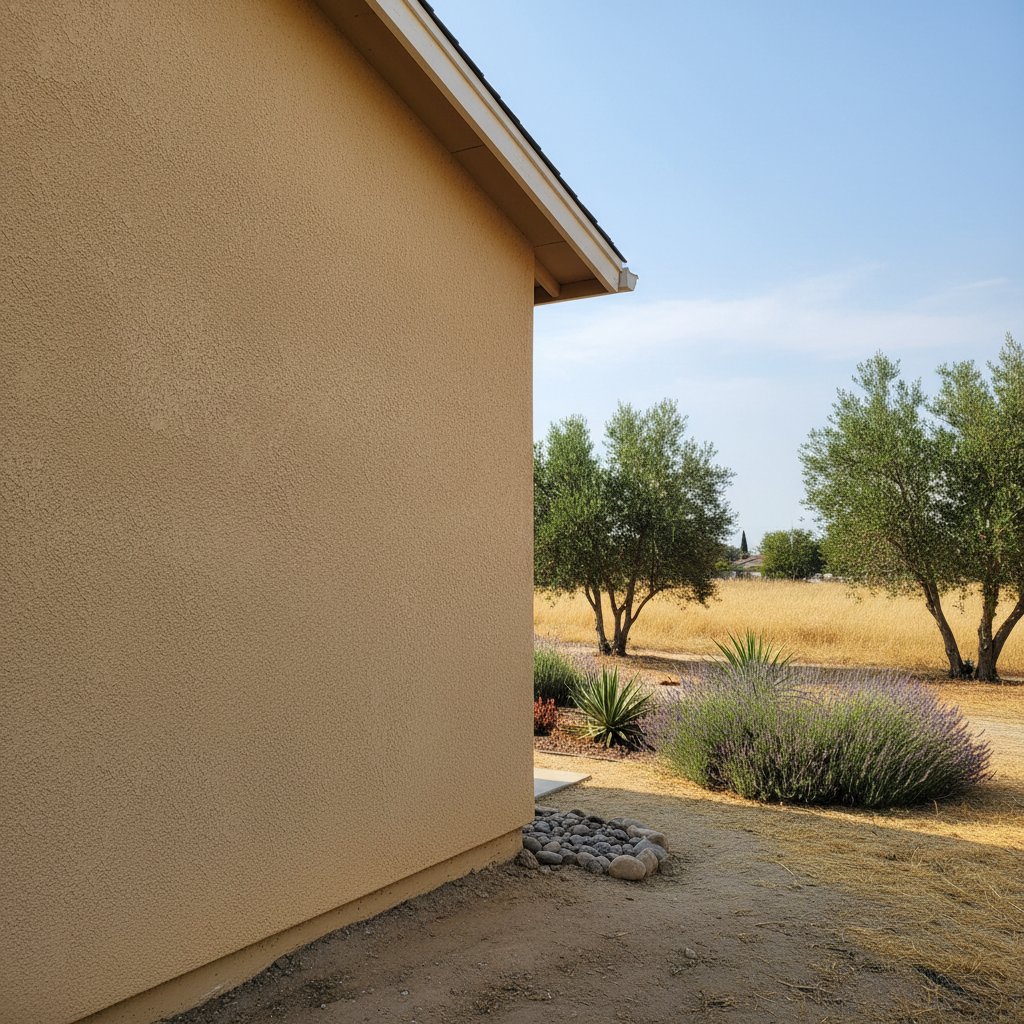
Alright, let's talk stucco. You've got it on your home, and you want it to look good and protect your investment for decades, right? That's the goal. But stucco isn't a 'set it and forget it' kind of deal, especially not here in Ontario, where we get those hot, dry summers and occasional winter rains. Proper maintenance is what separates a stucco job that lasts 50 years from one that starts showing its age in 15. It really makes a difference.
Extending Your Stucco's Lifespan
The biggest thing you can do to make your stucco last is to keep water from getting behind it. Sounds simple, doesn't it? But it's where most problems start. Think of your stucco as a durable skin for your house. If that skin gets compromised, water can sneak in, and that's when you start seeing real issues – rot, mold, and eventually, structural damage. Good initial installation is key, of course, but after that, it's all about you.
First, make sure your gutters are clean and working. I can't stress this enough. Clogged gutters overflow, dumping water directly onto your stucco or splashing it up from the ground. That constant moisture is a killer. Second, check your landscaping. Plants and shrubs growing directly against the stucco hold moisture against the wall and can even scratch or damage the finish. Give your stucco some breathing room. Trim back those bushes, keep the sprinklers aimed away from the house, and ensure your soil is graded to drain water away from the foundation, not towards it.
What Regular Maintenance Looks Like
For most homeowners, regular stucco maintenance is pretty straightforward. It's mostly visual inspections and a little bit of cleaning. I'd say do a thorough check twice a year – maybe once in spring after any winter rains, and again in the fall before things cool down.
- Visual Inspection: Walk around your house. Look for cracks. Are they hairline, or can you stick a credit card in them? Look for discoloration, especially dark streaks under windows or near the roofline. That often signals water intrusion. Check around all penetrations – windows, doors, utility pipes, light fixtures. Is the caulk still intact?
- Cleaning: Stucco can get dirty, especially with our dust and occasional smog. A gentle cleaning with a garden hose and a soft brush is usually all you need. For tougher spots, a mild detergent (like dish soap) and water can work. Just make sure to rinse thoroughly. Avoid high-pressure washers unless you really know what you're doing, because you can damage the stucco finish or force water into places it shouldn't go.
- Caulking: This is huge. Caulk around windows, doors, and other openings is your first line of defense against water. It dries out and cracks over time, especially with our intense sun. Re-caulk as needed. It's a relatively easy DIY job that makes a massive difference.
Warning Signs You Shouldn't Ignore
You're doing your regular checks, and you spot something. What should you be worried about?
- Cracks: Hairline cracks are common and usually not a big deal. They're often just surface shrinkage. But if you see cracks that are wider than a credit card, or if they're running horizontally or diagonally from a window or door corner, that's a red flag. Those can indicate structural movement or significant water issues.
- Staining or Discoloration: Dark streaks, especially below windows or at the base of walls, almost always mean water is getting in somewhere. It could be a leaky window, a clogged gutter, or even a plumbing leak inside the wall.
- Bulging or Soft Spots: If you press on the stucco and it feels soft, or you see areas that look like they're bulging out, that's a serious sign of moisture damage and potentially rot behind the stucco. Don't ignore this.
- Efflorescence: This is that white, powdery substance you sometimes see on stucco or masonry. It's mineral salts left behind when water evaporates from the wall. It means water is moving through your stucco, even if you don't see a leak.
- Pest Infestations: Termites and other pests love damp, dark places. If you see signs of pests, especially near the foundation or around windows, it might be an indicator of moisture problems.
When to Call a Professional
Look, I'm all for homeowners doing what they can. Cleaning, re-caulking, trimming bushes – that's all great. But there are times when you need to bring in someone who deals with stucco day in and day out. If you see any of those serious warning signs I just mentioned – wide cracks, bulging, persistent staining, or soft spots – don't try to patch it yourself and hope for the best. You're likely dealing with an underlying water issue that needs to be properly diagnosed and fixed. A quick patch might hide the problem for a bit, but it won't stop the damage from continuing behind the wall.
Also, if you're thinking about painting your stucco, or if you notice the finish is starting to degrade significantly, it's worth getting a pro's opinion. Sometimes it's just a matter of repainting, but other times it might indicate the stucco itself is nearing the end of its life and needs more extensive work like a re-dash or even a full repair. Here at Ontario Stucco & Plastering, we've seen it all. We can tell you what's a minor fix and what needs a more serious approach to protect your home. Don't wait until a small problem turns into a major, costly repair.