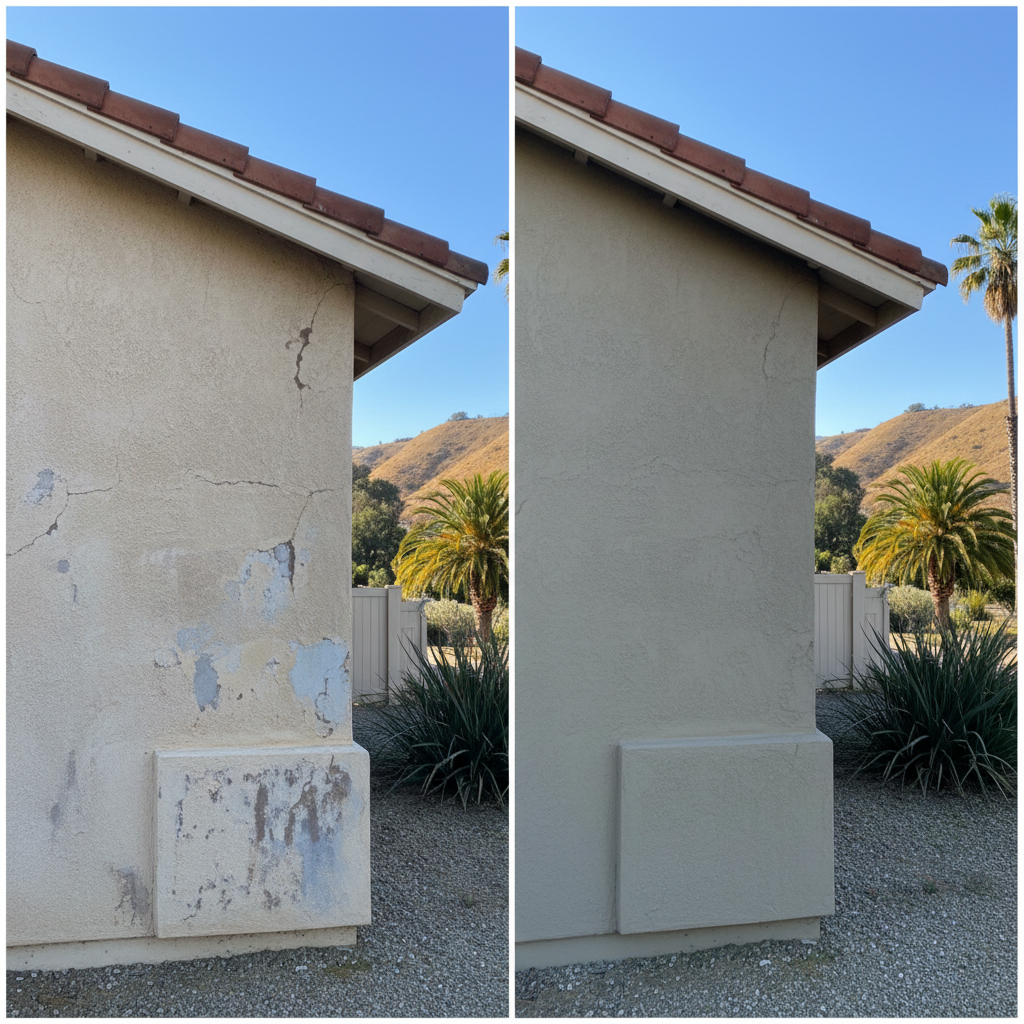
So, you've got stucco, and it's definitely time for a fresh coat. Maybe it just looks a bit tired, or perhaps you're simply ready for a change. But when you start looking into paint options, you'll quickly discover there's more to it than just picking a color. It's really about choosing the *right* kind of paint for your stucco, especially here in Ontario.
Most folks immediately think of regular acrylic latex paint. That's probably what you used on your interior walls, just an exterior version. Then there's elastomeric paint, which sounds a bit more technical, doesn't it? So, what's the actual difference between these two, and which one makes more sense for your home?
Regular Acrylic Latex Paint: The Usual Suspect
This is pretty much the standard. When someone says 'exterior paint,' chances are they're picturing an acrylic latex product. It's everywhere, comes in every color you can imagine, and most painters will quote you for it by default. Plus, it's usually the cheaper option to start with.
Cost & How You Put It On
Acrylic latex paint is definitely cheaper per gallon than elastomeric, no doubt about it. And putting it on is straightforward; it rolls or brushes on just like any other paint. If your stucco is in good shape – I mean, no big cracks, just some fading or dirt – then this can be a quick, fairly inexpensive way to spruce things up. A good quality acrylic will still give you decent protection from the weather, and it breathes pretty well, which is actually super important for stucco.
How Long It Lasts & What You Do to Keep It Up
It'll typically hold up for a good 5-10 years, maybe even more if you spring for a premium product and your home isn't getting baked by the sun all day. You'll probably need to clean it every so often, especially if you live near a dusty road or have a bunch of trees around. The biggest downside? Acrylic paint doesn't stretch. If your stucco has hairline cracks, or if new ones pop up because of our shifting soils or wild temperature swings, that paint will crack right along with it. You'll see those lines, and then, well, water can sneak in.
Elastomeric Coatings: The Stretchy Stuff
Okay, so 'elastomeric' sounds fancy, but it just means 'stretchy.' Think of it like a really thick, super flexible paint. It's made to bridge and seal up small cracks, and it can expand and contract with your stucco as the temperatures change. This is a huge deal for stucco, which is a rigid material that can develop minor stress cracks over time. What a pain, right?
Cost & How You Put It On
You're going to pay more for elastomeric paint, sometimes double or even triple the cost per gallon compared to even a good acrylic. It's also thicker, so it can be a bit trickier to apply, often needing specialized spray equipment or more careful brushwork to get a smooth, even finish. The surface prep is absolutely critical too; you need to make sure the stucco is clean and any larger cracks are properly fixed before you put it on. You really, really don't want to trap moisture underneath this stuff.
How Long It Lasts & What You Do to Keep It Up
This is where elastomeric really shines. It's incredibly durable. We're talking 10-20 years, sometimes even longer, before you even have to *think* about repainting. Because it stretches, it'll bridge those tiny hairline cracks that acrylic paint would just mirror. This means much better water resistance and fewer ways for moisture to get into your stucco system. It's also super resistant to fading and picking up dirt, so it often looks cleaner for longer. For homes in places like the Upland foothills, where you get those intense summer sun exposures, this extra protection is just invaluable.
Which One Should You Pick?
Here's my take, after working on countless stucco homes across Ontario, CA with Ontario Stucco & Plastering:
If your stucco is brand new or in absolutely perfect condition with no cracks at all: A high-quality acrylic latex paint can be a perfectly good and more affordable choice. You'll still get decent protection and a fresh look.
If your stucco has minor hairline cracks, or if you want the absolute best long-term protection and don't mind the higher upfront cost: Go with elastomeric. It's an investment that truly pays off in durability, less maintenance, and superior moisture protection. It's especially smart for older homes or homes that have seen some settling.
If your stucco has significant damage, big cracks, or structural issues: Neither paint is a magic bullet. You *have* to get those repairs done first. Paint is just a coating, not a structural fix. We see too many homeowners try to paint over serious problems, and it just never works out.
Ultimately, it comes down to your budget and the actual condition of your stucco. For most homeowners in our area, considering the climate and typical stucco wear, I tend to lean towards elastomeric coatings for their excellent protection and longevity. You pay more now, sure, but you'll likely save money and headaches down the road. It's about protecting your biggest investment, and sometimes, spending a little more upfront means not having to worry about it for a really, really long time.