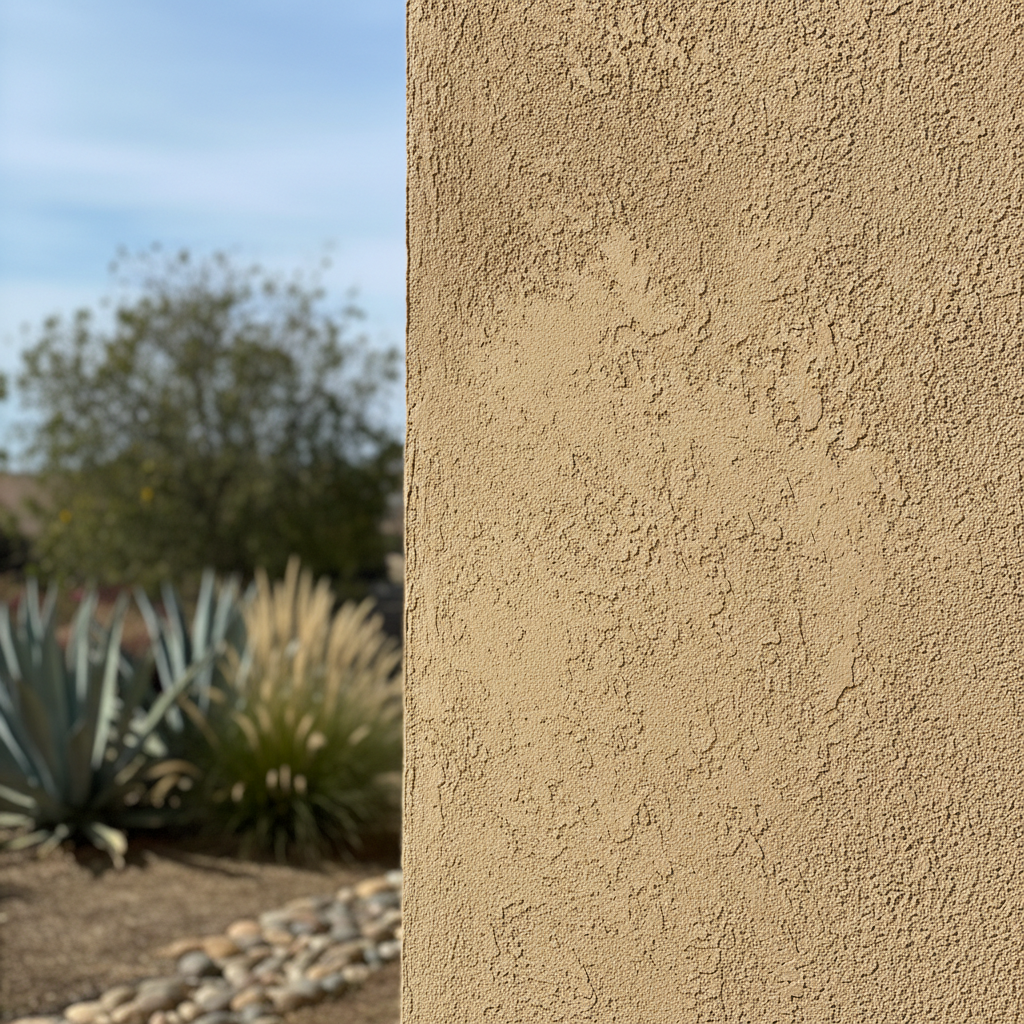
What causes stucco to crack in the first place?
This is probably the most common question I get. Stucco cracks for a bunch of reasons, and it's not always a sign of disaster. Small hairline cracks? That's usually just normal settling of your house or temperature fluctuations – think those hot Ontario summers and cooler winters making materials expand and contract. Larger, more irregular cracks, especially around windows and doors, can point to something more serious, like structural movement or water intrusion. Sometimes it's just poor installation, too, where the stucco wasn't applied correctly or cured too fast. We see a lot of homes around the older parts of Ontario, near Euclid Avenue, where foundations have shifted a bit over the decades, leading to some predictable cracking patterns.
How do I know if a crack is serious or just cosmetic?
Good question, because not all cracks are created equal. A hairline crack you can barely see? Probably cosmetic. If you can slip a credit card into it, or if it's wider than about 1/8th of an inch, you've got a more significant crack on your hands. Also, look at the pattern. Vertical cracks are often from settling. Horizontal cracks can sometimes indicate foundation issues or problems with the framing. Cracks that spiderweb or form a 'map' pattern can be a sign of moisture damage or a bad mix when the stucco was first applied. The best way to know for sure is to have someone who knows stucco take a look. We're happy to do that for Ontario Stucco & Plastering clients.
Can I just fix small stucco cracks myself?
For really tiny, superficial hairline cracks, sure, you can try some DIY. There are acrylic caulk products specifically designed for stucco that you can get at any hardware store. Make sure the area is clean and dry, apply the caulk, and smooth it out. The trick is matching the texture and color, which is harder than it sounds. If you've got a smooth finish, it's easier. If you have a heavily textured finish, it's going to stand out unless you're really good. For anything larger or if you're not confident, I'd honestly say call a pro. A bad patch can look worse than the crack and might not properly seal against water.
What's the deal with efflorescence on stucco? Is it bad?
Efflorescence looks like a white, powdery or crystalline deposit on your stucco. It's basically mineral salts that get dissolved by water, then as the water evaporates from the stucco surface, it leaves these salts behind. It's not inherently 'bad' for the stucco itself in terms of structural integrity, but it *is* a clear sign that you have a moisture problem. Water is getting into your stucco system somewhere, and that's what you need to address. If you see efflorescence, don't just clean it off and forget about it. You need to find the source of the water intrusion – maybe a leaky gutter, a crack in the stucco, or flashing issues around windows. Fix the water problem first, then you can clean the efflorescence with a stiff brush and a mild acid solution, like vinegar and water.
How long does a typical stucco repair last?
That really depends on the type of repair and what caused the damage in the first place. If we're talking about a small, cosmetic crack that's properly patched and sealed, it should last for many years, often as long as the surrounding stucco. If the repair is addressing a deeper issue, like structural movement or significant water damage, then the longevity depends on whether the underlying problem was fully resolved. A good repair, done by experienced hands, using quality materials, should blend in and hold up for a long time. We aim for repairs that are as durable as the original stucco, sometimes even more so if we're fixing an initial installation flaw.
What should I look for in a stucco repair contractor?
You want someone who specializes in stucco, not just a general handyman. Ask about their experience, especially with homes in our area. Stucco in Ontario has to stand up to our specific climate. Check their licensing and insurance – that's non-negotiable. Ask for references and look at their past work. A good contractor will be transparent about the process, explain what caused the damage, and give you a clear, written estimate. They should also talk about how they'll match your existing texture and color, which is a key part of a seamless repair. Don't just go for the cheapest bid; quality stucco repair is an investment in your home's protection and appearance.
Can stucco be repaired if it's been painted?
Absolutely, yes. It's a bit more involved, but it's definitely doable. When stucco has been painted, any repair means you'll need to match not just the stucco texture but also the paint color. Sometimes, if the repair area is small and the paint color is common, we can get a good match. Other times, especially with older paint or custom colors, it might be necessary to repaint the entire wall or even the whole house after the repair to ensure a uniform look. The repair itself is done the same way, but the finishing step requires careful color matching or a broader repaint to make it disappear.
```