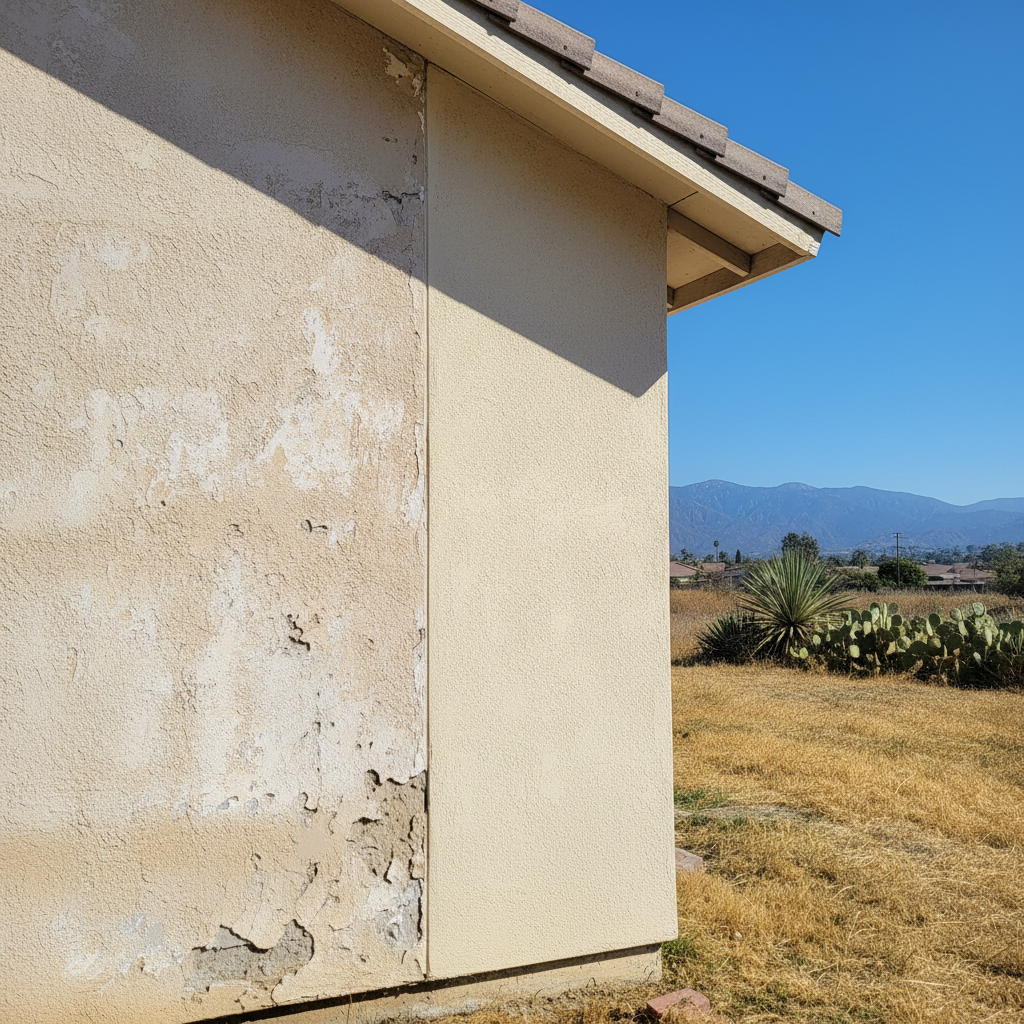
Alright, let's talk stucco repair. If you've got cracks, chips, or just tired-looking stucco on your Ontario home, you're faced with a couple of main choices: do you patch it up, or do you go for a full resurface? It's a common question I get, and honestly, there's no single 'right' answer for everyone. It all depends on the extent of the damage, your budget, and what you're hoping to achieve in the long run.
Patching Stucco: The Quick Fix
Patching is exactly what it sounds like. You've got a specific area of damage – maybe a crack, a hole from an impact, or a section where the stucco has delaminated. We'll clean out the loose stuff, apply new stucco material, and then try our best to blend it in with the existing finish. Think of it like putting a band-aid on a wound.
Cost
This is usually the cheapest option upfront. You're only paying for materials and labor for a small, localized area. If you've got one or two small cracks, patching is definitely going to be less expensive than doing your whole house.
Durability
A good patch, done correctly, can be pretty durable in that specific spot. The problem isn't usually the patch itself, but the surrounding, older stucco. If the original stucco is failing due to underlying issues like water intrusion or structural movement, that patch might hold, but new problems could pop up right next to it. It's like fixing a leaky roof with a single shingle when the whole roof deck is rotten.
Maintenance
You'll need to keep an eye on it. Patches can sometimes stand out, especially as the original stucco ages and weathers differently. You might find yourself patching new spots down the line, turning it into a whack-a-mole situation. Plus, matching the texture and color perfectly can be a real challenge, even for experienced pros like us at Ontario Stucco & Plastering.
Appearance
This is where patching often falls short. It's incredibly hard to make a patch invisible. Even with the best efforts, differences in texture, color, and how the new stucco cures compared to the old can make the repair noticeable. If your house has an older, hand-troweled finish, getting that exact look on a small patch is nearly impossible. If aesthetics are a big concern, you might be disappointed with a patch.
Stucco Resurfacing: The Full Facelift
Resurfacing, on the other hand, is a much more comprehensive approach. This involves preparing the entire existing stucco surface – cleaning it thoroughly, addressing any minor cracks or imperfections, and then applying a new, thin coat of stucco over everything. It's not a full tear-off and re-stucco, but rather a fresh, uniform layer over the existing, sound substrate.
Cost
Naturally, this is a bigger investment than patching. You're covering the entire exterior, so material and labor costs are higher. However, when you factor in the long-term benefits and the potential for repeated patching costs, it often makes more sense in the long run.
Durability
This is where resurfacing shines. By applying a continuous new layer, you're essentially giving your entire home a fresh, protective skin. It helps seal minor hairline cracks that might not even be visible yet and provides a uniform, robust surface that can withstand our hot Ontario summers and occasional rainy seasons much better. If done right, it can add decades of life to your stucco.
Maintenance
Maintenance becomes much simpler. You've got a fresh, uniform surface that's easier to clean and inspect. You won't have to worry about mismatched patches or new cracks appearing right next to old repairs for a good long while. It's a clean slate.
Appearance
The biggest advantage here is a completely refreshed, uniform look. You get to choose a new color and texture that covers everything, making your home look brand new. No more visible patches, no more faded, blotchy areas. It significantly boosts curb appeal, which is a huge plus if you're thinking about selling or just want to feel proud of your home's exterior.
My Recommendation for Ontario Homeowners
For most homeowners here in Ontario, especially if your stucco is showing widespread minor damage, fading, or just looks tired, I almost always lean towards resurfacing. Here's why:
- Our Climate: The intense sun we get here in Southern California can really take a toll on stucco over time, leading to fading and micro-cracking. A full resurface protects against this.
- Uniformity: We've got a lot of homes in areas like the College Park neighborhood with older stucco finishes. Trying to patch those perfectly is a losing battle. Resurfacing gives you that smooth, consistent look you want.
- Long-Term Value: While more expensive upfront, resurfacing adds significant value and longevity to your home. You're not just fixing a problem; you're upgrading your entire exterior. It's a solid investment.
- Peace of Mind: You won't be constantly scrutinizing your walls for new cracks or noticeable patches. You'll have a fresh, durable finish that you can trust.
Now, if you have a brand new home and just got a single, small impact hole from a stray baseball, then sure, a patch makes sense. But for anything beyond that, especially if you're looking for a lasting solution and a significant aesthetic upgrade, resurfacing is the way to go. Give us a call at Ontario Stucco & Plastering, and we can come out, take a look, and give you an honest assessment of what your home really needs.